 ConnectLoop

An AI sales playbook is a plan for where AI supports your sales team, where people stay in charge, and how you measure the results. The best playbooks use AI to remove low-value work so sellers spend more time with buyers. ConnectLoop brought sales leaders together in Boston to put this playbook to the test.
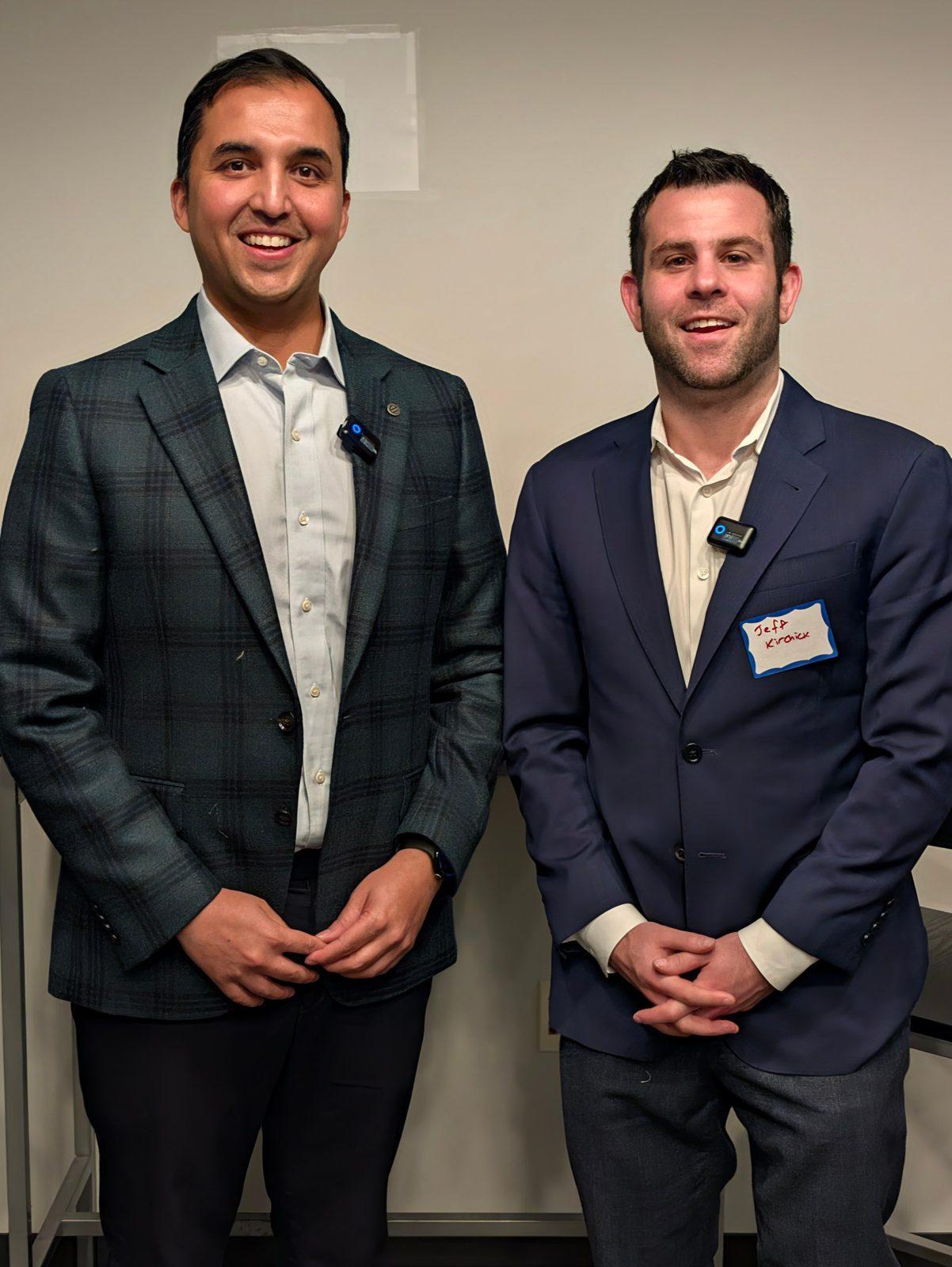
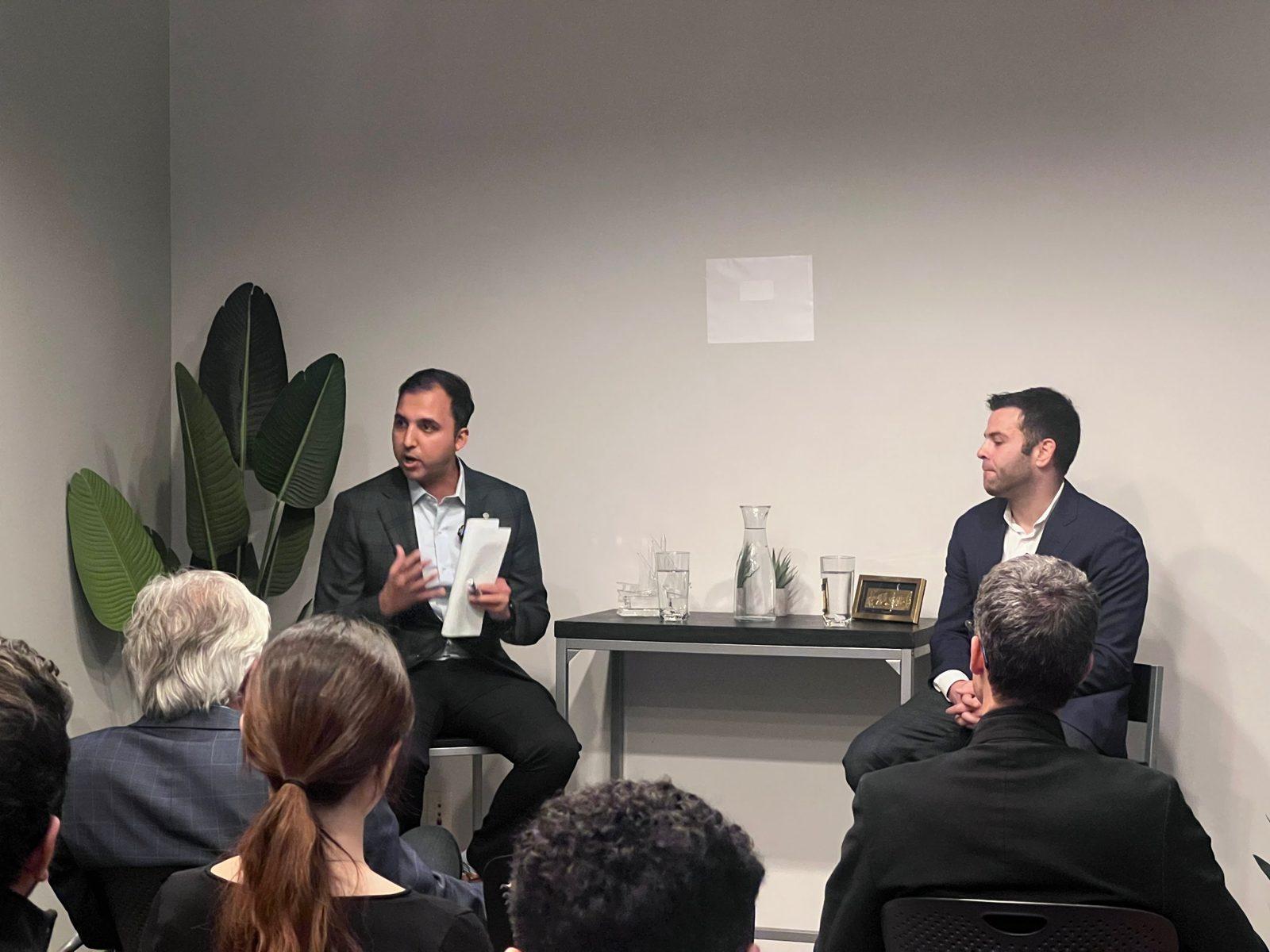
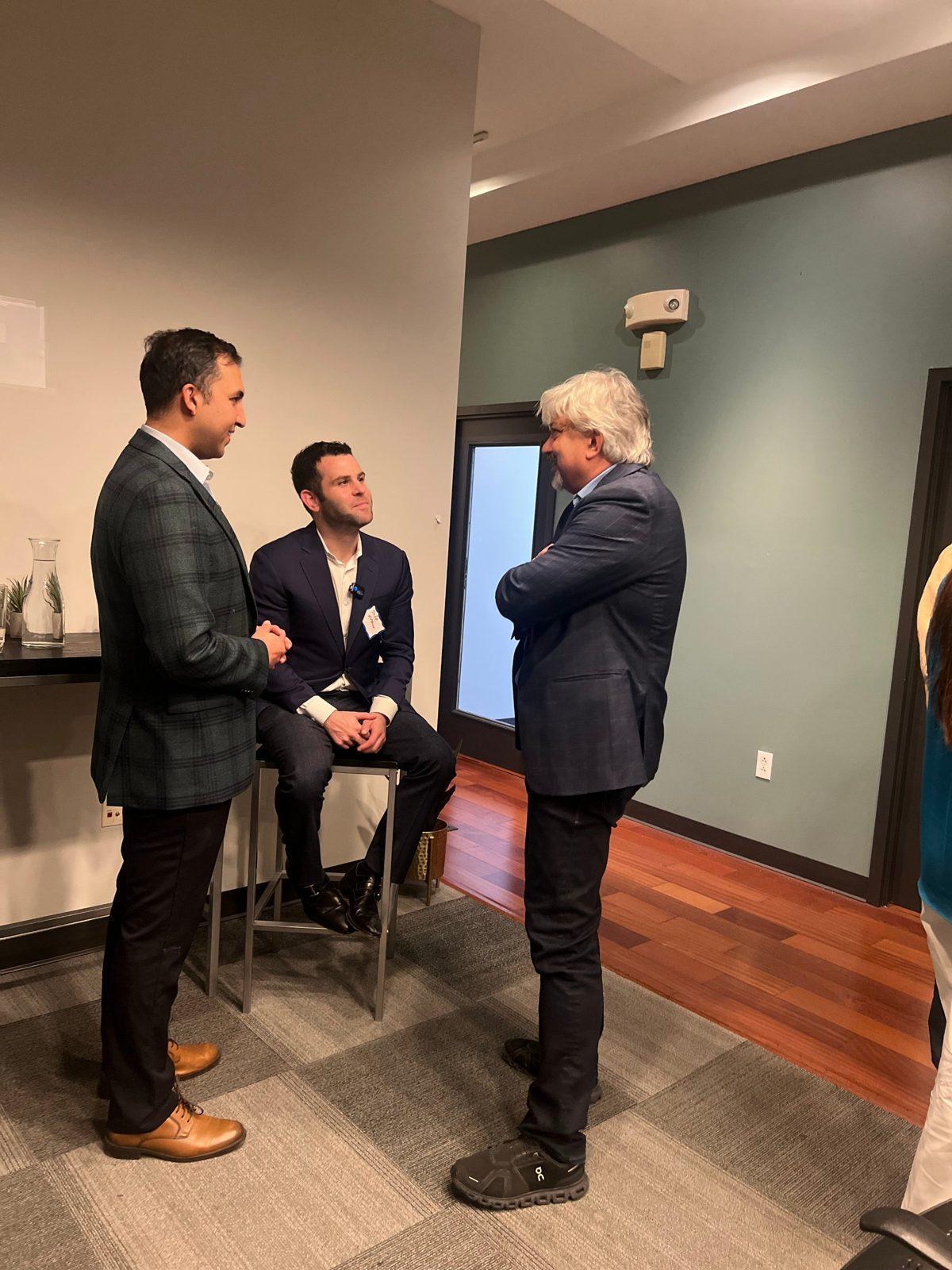
On November 18, 2026, ConnectLoop hosted the first edition of The AI Strategy at its Cambridge HQ. Featured guest Jeff Kirchick, VP of Sales at Zorro and author of “Authentic Selling,” joined host Atif M. and co-host Dr. Hitendra Patel for an evening on “The Sales Leader’s AI Playbook: Where to Start, What to Measure.” This article shares the 9 lessons that stood out.
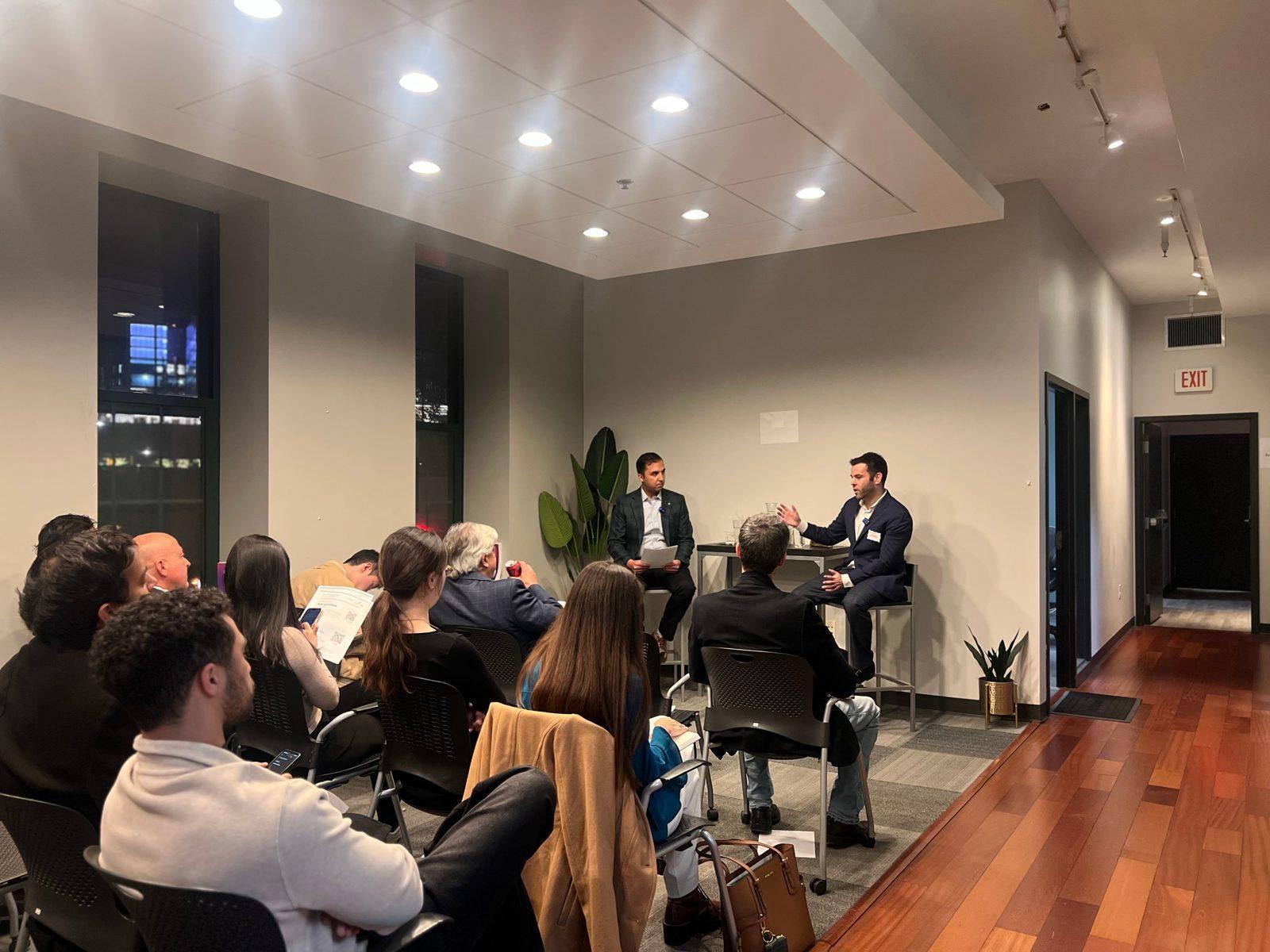
TABLE OF CONTENTS
- 01What is an AI sales playbook?
- 02What happened at the first edition of The AI Strategy?
- 03Why does being human become the edge as AI spreads?
- 04Where is the biggest AI opportunity in sales?
- 05Will AI agents sell to other AI agents?
- 06Which sales tasks should stay human?
- 07Why do implications matter most in discovery?
- 08How should sales leaders measure AI’s impact?
- 09Should you fix your sales process before adding AI?
- 10How should companies talk about AI with buyers?
- 11What will sales teams look like by 2030?
- 12Where should sales leaders start with AI?
- 13How does ConnectLoop help teams put this playbook into practice?
- 14Key takeaways
- 15FAQs
What is an AI sales playbook?
An AI sales playbook defines which parts of your sales process AI handles, which stay with your team, and which numbers prove it’s working. It turns scattered AI tools into one clear plan. ConnectLoop sees it as an extension of your existing sales playbook, not a replacement for it.
A traditional sales playbook tells reps how to sell: who to target, what to say and how to move a deal forward. An AI sales playbook adds three questions on top:
- Where does AI save time? Research, note-taking, data entry and first drafts.
- Where must people lead? Discovery, trust building and the relationship itself.
- How will you know it’s working? Time with customers, conversion rates and revenue, not just activity counts.
Jeff Kirchick’s session at The AI Strategy answered all three, with stories from 15 years in sales leadership.
What happened at the first edition of The AI Strategy?
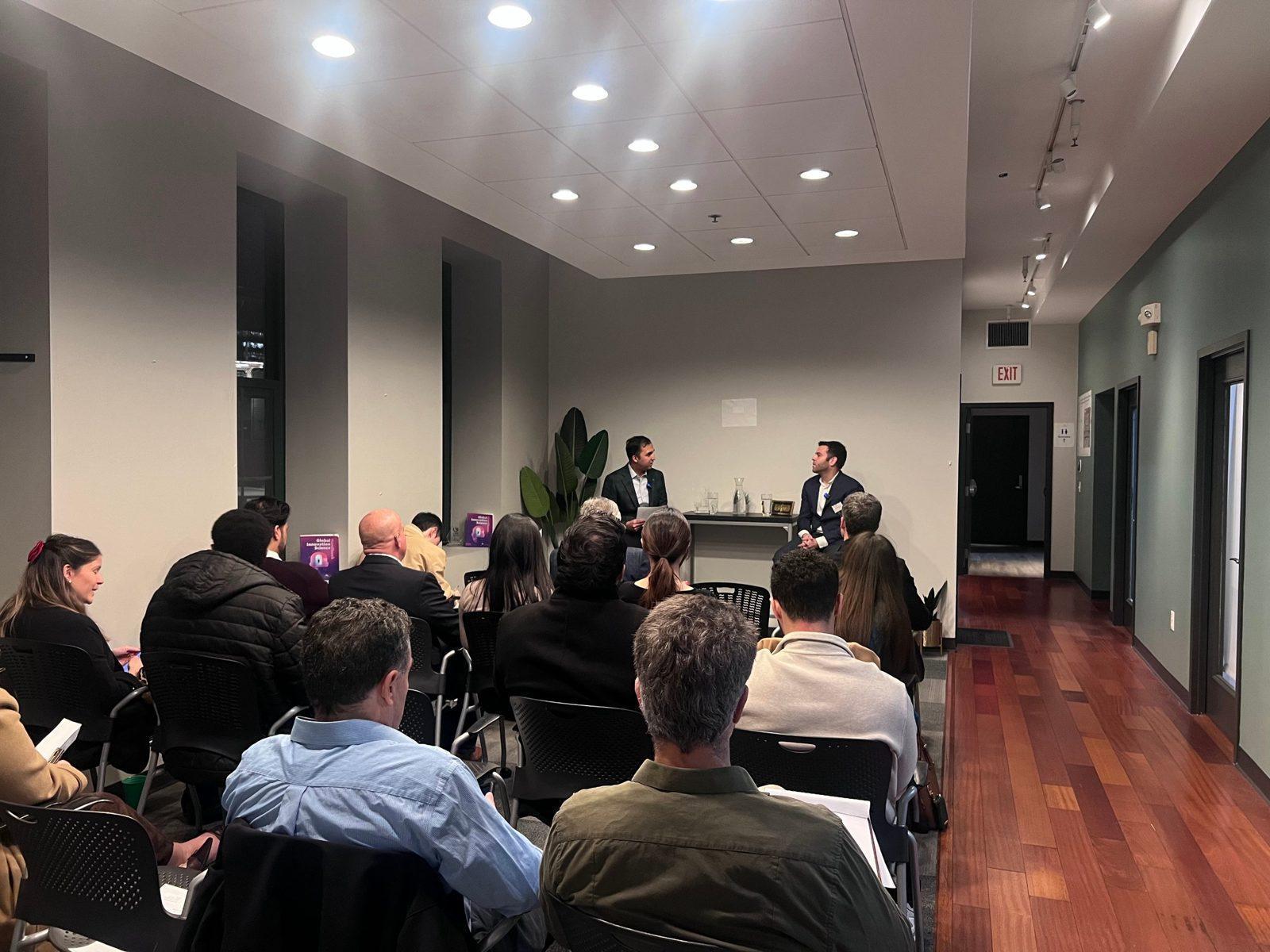
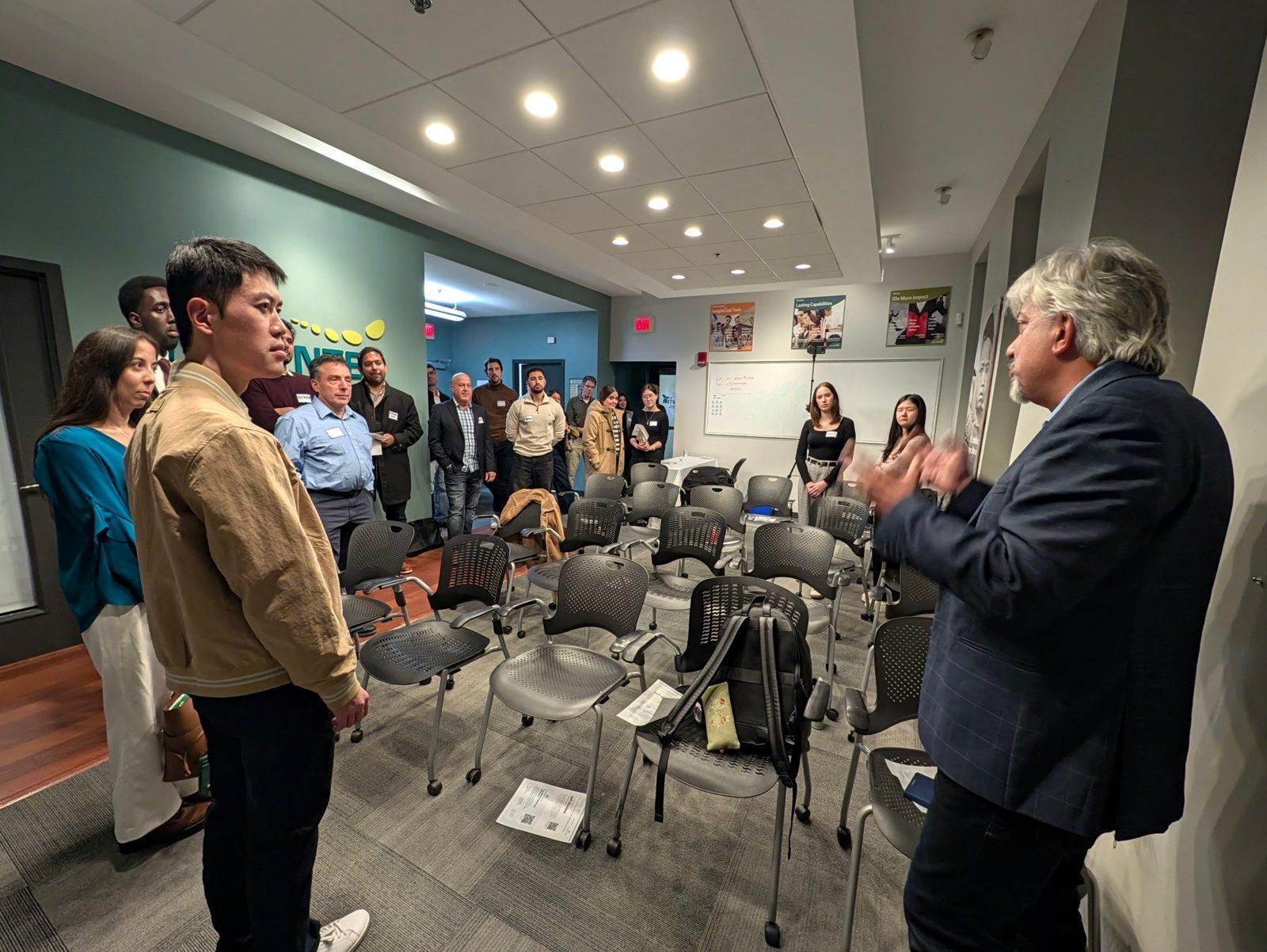
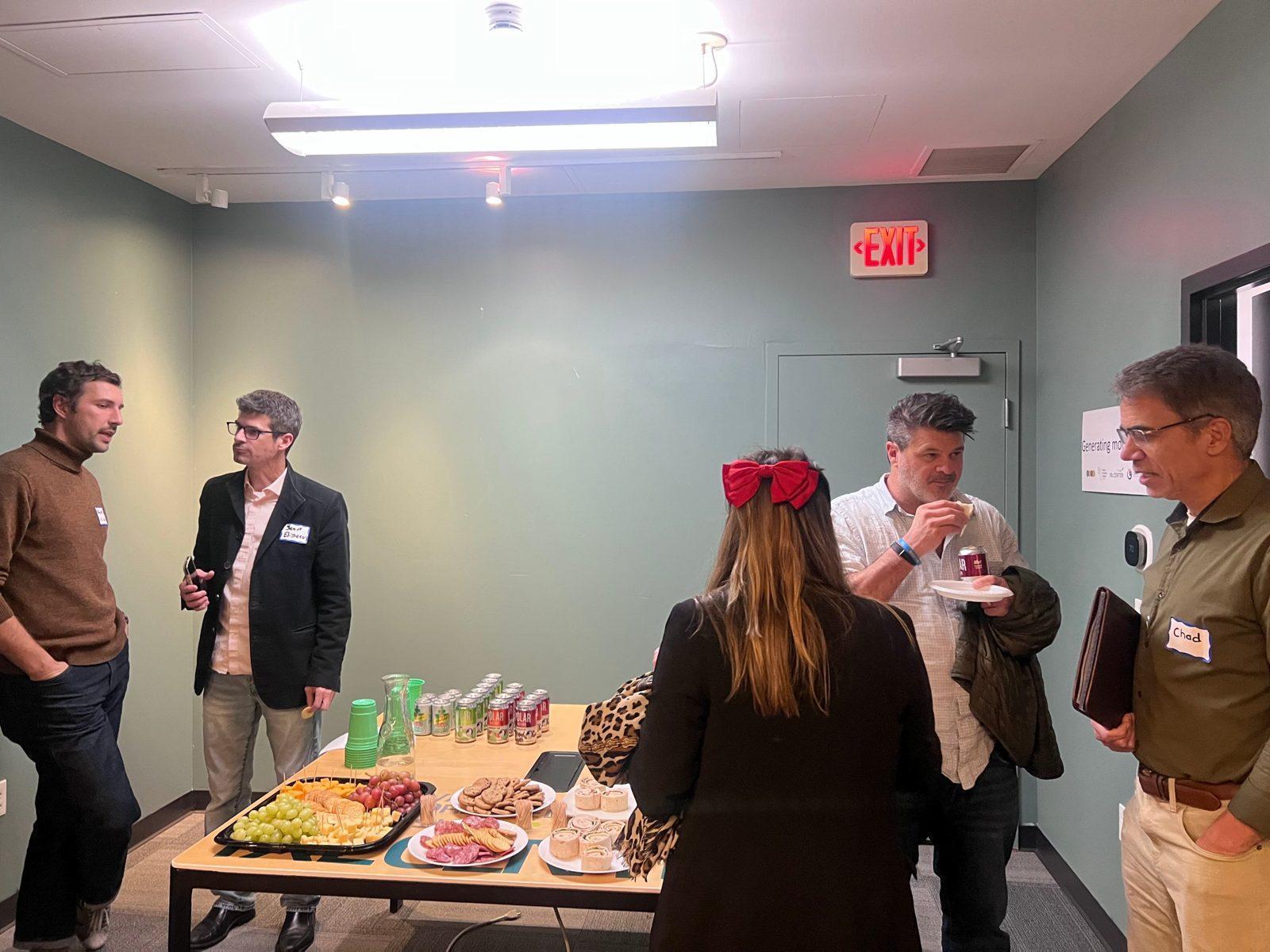
The AI Strategy is a monthly AI leadership event hosted by ConnectLoop in Cambridge, Massachusetts. Its first edition brought 20 leaders from across Greater Boston together for a moderated conversation, live audience questions and a group exercise. ConnectLoop designed it as a small room built for honest conversation.
The format was simple. Host Atif M. asked Jeff questions, and attendees joined in at every turn. Founders, executives and sales leaders from technology, healthcare, finance and professional services shared what is already working in their teams.
Jeff brought a rare perspective. Seven years ago, his book “Authentic Selling” predicted that AI would transform go-to-market teams. Today, he leads sales at Zorro, a Series A healthcare benefits company, and consults for other growing businesses. The next edition of The AI Strategy, hosted by ConnectLoop, takes place on Wednesday, December 9.
Why does being human become the edge as AI spreads?
As AI handles more of the selling process, the salespeople who stand out are the ones who lean into what AI can’t offer: real shared experiences and genuine trust. Jeff’s book was built on this idea. ConnectLoop’s view of AI in sales starts from the same place.
Jeff wrote “Authentic Selling” after closing multi-million-dollar deals with Fortune 100 brands, without ever being trained in a formal qualification framework. He saw that AI agents could soon follow those frameworks more consistently than people.
His conclusion was simple. “AI does not have a soul,” he told the room. It has no shared experiences with buyers. So as AI becomes standard across go-to-market teams, the way sellers stand out is by being more human, not less.
Authenticity, in Jeff’s words, means “presenting an honest version of yourself.” It doesn’t mean buyers will like you. It means they will trust you. His test: you might go to Vegas with your best friend, but who would you trust to watch your baby? Sales is about being that trusted person.
Where is the biggest AI opportunity in sales?
Jeff named conversation intelligence as the biggest AI opportunity in sales. He called conversations “the holy grail” of a go-to-market team. The idea is to capture every customer and internal conversation, so the whole company keeps getting smarter. ConnectLoop builds its sales tools around the same belief.
Jeff described this as building a “company brain.” Every external call, every internal meeting and every piece of collateral goes into one place. Over time, that brain learns what wins deals, what customers ask for and where the business should go next.
He shared a real example from a company he advises. While planning for 2027, its company brain spotted that accounts in its ideal customer profile kept raising needs at both ends of the customer life cycle. That signal revealed a new product opportunity that no one had flagged in a meeting.
The audience agreed on the value. One attendee who once kept handwritten call notes explained how AI note-takers now capture every word and summarize calls in any format the team needs. ConnectLoop’s guide to real-time sales coaching shows how teams take this one step further, with guidance during the call itself.
Will AI agents sell to other AI agents?
Jeff doesn’t believe AI agents will fully replace human buying and selling, because every AI is built with some bias, and trust depends on believing the other side is honest. Buyers will keep wanting a person they can trust. ConnectLoop designs its AI to work alongside people for the same reason.
Some predict a future where a seller’s agent negotiates directly with a buyer’s agent. Jeff’s answer was clear: no company will build an agent that tells customers about every implementation that went wrong. So two agents talking to each other would simply be two biased systems.
“The way that you deduce trust is through authenticity,” he said. A buyer wants to believe that the person across the table believes what they are saying, and that’s something people feel through a human experience.
The room tested this with a question: would you let an AI agent negotiate a $15,000 contract for you in real time? One attendee answered “not yet,” and another was open to it with clear minimum requirements. Another pointed out that AI can’t yet read body language, and that a buyer saying “sure, okay” might mean something very different. One attendee did use AI to rehearse negotiations privately, because it takes emotion out of the preparation. That’s a smart use of AI that keeps the human in the deal. ConnectLoop’s guide on how to negotiate in sales covers the skills that stay with the seller.
Which sales tasks should stay human?
Discovery, the first touch and long-term relationship management should stay human, according to Jeff and the leaders in the room. AI works best behind the scenes, preparing reps and removing admin. ConnectLoop follows the same split, with AI supporting the team and people owning the relationship.
Here’s how the room divided the work:
| Sales task | Best owner | Why |
|---|---|---|
| Prospect research and list building | AI, reviewed by a rep | AI gathers information faster and more thoroughly |
| Writing and sending first outreach | Person | Outreach written by a person, using AI research, performed better for one attendee |
| First touch with a buyer | Person | Buyers want to meet a person first, then automate later |
| Discovery on complex deals | Person | Discovery is where you build your champion |
| Note-taking and call summaries | AI | AI captures every word reps would miss |
| Quotes, data formatting and admin | AI | It frees reps for higher-value selling |
| Negotiation | Person, with AI preparation | AI can’t yet read body language in real time |
| Relationship management after the sale | Person | Clients want a relationship, not an automated email |
One attendee shared a useful result. Their AI agent builds prospect lists from a target customer profile, and their outreach earns a 10 to 12% response rate. But when the agent wrote and sent the messages itself, results got worse. The lesson: use AI for intelligence, and keep the outreach personal.
ConnectLoop’s guide to the AI-to-human handoff explains how to decide when a conversation should move from AI to a person.
Why do implications matter most in discovery?
Implications are the part of discovery most reps skip. Finding out that a buyer wants to save money isn’t enough; you need to know why that saving matters to them. The answer changes how you position the entire deal. ConnectLoop treats this as the heart of good discovery.
Jeff called discovery “the root of most sales problems.” Many teams blame their demo when conversion drops, when the real issue was a weak discovery call.
His example: two buyers both want to save $500,000. For the first, finding savings is a target set by their boss, with a bonus attached. For the second, the savings could fund five new salespeople and drive $5 million in new revenue. Same number, two completely different sales conversations.
His advice is to keep “peeling the onion.” Ask the simple question: “Why is saving that money important to you?” He’ll even admit it sounds obvious. “The answer will surprise you sometimes,” he said.
ConnectLoop’s list of discovery call questions includes implication questions you can use on your next call.
How should sales leaders measure AI’s impact?
Measure AI by how much more time your sellers spend with customers and whether that time turns into revenue, not by how much more activity it creates. More activity with the same revenue usually points to a different problem. ConnectLoop recommends tracking both time saved and the results it produces.
Jeff framed AI in sales as a math equation: remove as much low-value work as possible so sellers focus on high-value conversations. He shared an estimate from former HubSpot chief revenue officer Mark Roberge: sellers spend about 25% of their time with customers, and the goal for AI should be to push that above 80%.
His own team proved the point. Running price quotes for healthcare benefits used to take up about half of his reps’ time. Automating that work gave them hours back for selling.
What if AI increases activity by 50% but revenue stays flat? Jeff’s answer depends on the goal:
- If you only doubled leads, you may have filled the pipeline with poor-fit prospects that waste time.
- If reps are better prepared but results don’t move, the problem likely sits elsewhere in your sales process.
ConnectLoop’s guide to sales call scoring shows how to measure call quality alongside these numbers.
Should you fix your sales process before adding AI?
You don’t always need a perfect process before adding AI, because AI can help reveal what to fix. The exception is bad data. If your CRM data is poor, fix that first, or AI will learn from the wrong information. ConnectLoop sees clean data as the foundation for any AI sales playbook.
Jeff described his ideal: an AI agent that studies every won and lost deal and gives reps real-time guidance. For example, it might say, “In deals we win, we’ve engaged this stakeholder by now, and we haven’t yet. That’s your next best action.”
To get there, the data feeding the AI has to be reliable. ConnectLoop’s guide to a CRM for sales teams covers how to keep buyer data accurate enough for AI to use.
How should companies talk about AI with buyers?
Position AI as giving buyers more choice and convenience, not as replacing people. If AI is the headline, buyers may assume there is no human support behind it. ConnectLoop follows the same principle: AI handles the routine work, and people are there whenever a buyer wants them.
Jeff shared a lesson from Zorro, which recently introduced an intelligent concierge to help employees choose health plans. Its AI lets about 84% of people complete the process on their own, which most prefer, at home and on their own schedule. People are still available for anyone who wants to talk.
The challenge is the message. When AI dominates a company’s marketing, buyers can assume there is no human support behind it. Jeff’s advice: be careful and intentional about how you present your AI capabilities to customers.
What will sales teams look like by 2030?
By 2030, Jeff expects every go-to-market team to have a dedicated AI role, much like RevOps today. Sales leaders who don’t understand AI will struggle to get hired. ConnectLoop sees this shift already starting with teams that hire curious, AI-ready sellers.
Jeff predicts the AI role will be well paid, and people will train for it the way they once learned to code. His advice for getting started was refreshingly simple: open an AI assistant and ask how to learn it.
He also shared his two rules for building a sales team today:
- 01
Document everything. Every call, meeting and piece of collateral goes into a company brain that keeps getting smarter.
- 02
Hire AI-curious people. His top rep used AI to work out which insurance brokers were connected to her target employers, by studying who engaged with them on LinkedIn. That campaign uncovered a large employer in Dallas. Zorro saved the company $5 million a year and closed a million-dollar deal, the largest new deal in its history.
Where should sales leaders start with AI?
Start where AI removes the most low-value work from your reps’ week, measure the time it gives back, and keep people in charge of every buyer relationship. Small, focused wins build trust in AI across your team. ConnectLoop recommends this five-step approach, based on the lessons from The AI Strategy.
- 01
Find the biggest time drain. List the tasks that take reps away from customers, such as quotes, data entry, research or note-taking.
- 02
Automate one task first. Pick the task that saves the most time with the least risk, and roll it out to one team.
- 03
Capture every conversation. Record and summarize calls so your team starts building its own company brain.
- 04
Keep discovery and relationships human. Use AI to prepare reps, not to replace them in the moments that build trust.
- 05
Measure time with customers and revenue. Track how much selling time AI gives back, and whether that time turns into more pipeline and closed deals.
Teams that coach reps on these habits see the benefit compound over time. ConnectLoop’s guide on the benefits of sales coaching shows how coaching turns these steps into lasting skills.
How does ConnectLoop help teams put this playbook into practice?
ConnectLoop gives sales teams AI that handles the routine work and supports reps in the moments that matter, while people stay in charge of every buyer relationship. It covers both inbound conversations and live sales calls. ConnectLoop was built around the same human-first approach Jeff described.
On your website. Lia, ConnectLoop’s AI sales agent, answers buyer questions on your website, WhatsApp and email at any hour. She qualifies each lead, books meetings through Google Calendar, Outlook Calendar or Calendly, and hands the conversation to your team with the full history. Every conversation syncs to HubSpot, Salesforce, Zoho or Google Sheets.
During sales calls. ConnectLoop’s Sales Assistance runs in a Chrome or Edge tab alongside Google Meet or Zoom, with no bot joining the call. It shows reps short prompts for the next question, an objection response or a missing qualification step. It works with the ConnectLoop YES Framework™, SPIN, MEDDICC, BANT, Challenger and custom frameworks.
After every call. Each call is saved with a score, a coaching note and a follow-up draft. The rep reviews the draft and sends it, so outreach stays personal. ConnectLoop’s sales call report template shows what a strong post-call record includes.
Before the next touch. When a known lead returns to your website, ConnectLoop’s Proactive Outreach drafts a follow-up email that a person on your team reviews and sends.
ConnectLoop works best when your team brings its own knowledge, playbook and voice. The richer your content and processes, the sharper every answer and prompt becomes.
KEY TAKEAWAYS
What sales leaders should remember
- An AI sales playbook defines what AI handles, what people own and how you measure results, and ConnectLoop sees it as an extension of your existing sales playbook.
- As AI becomes standard, sellers stand out by being more human: honest, trusted and connected to buyers through real shared experiences.
- Conversation intelligence is the biggest AI opportunity in sales, and a “company brain” built from every conversation keeps a business getting smarter.
- Discovery, the first touch and relationship management should stay human, while research, notes and admin are strong candidates for AI.
- Strong discovery goes beyond the need to its implications, by asking why a result matters to the buyer.
- Measure AI by the time it gives back to sellers and the revenue that follows, with the goal of moving customer-facing time from about 25% toward 80%.
- Position AI to buyers as more choice and convenience, with people always available.
- ConnectLoop supports this playbook with Lia for inbound conversations and Sales Assistance for live calls, with people in charge of every relationship.